About

The SOEST Maile Mentoring Bridge (Maile) program was co-founded by Anela Choy, Keolani Noa, and Barbara Bruno in 2013. It was the brainchild of Dr. Choy, who earned her Ph.D. at a time when she was one of only a handful of kama’āina students in the Oceanography graduate program. Recognizing the need to increase involvement […]

Read More

Contact

The SOEST Maile Mentoring Bridge is hosted within the School of Ocean and Earth Science and Technology (SOEST) at the University of Hawaiʻi at Mānoa. You can reach us by email using the form above or by emailing directly to mmentors@hawaii.edu. Specific inquiries can bedirected to: Maile Program Manager:Heather Saitohsaito2@hawaii.edu Faculty Advisor: Rosie Alegadoralegado@hawaii.edu Student […]

Read More

Resources

  Mentor Lunch Log Mentoring Resources Assisting Students in Distress University of Hawai‘i Mentoring Guide Program Partners SOEST Kapi‘olani Community College STEM Program Native Hawaiian STEM Opportunities at LCC Center for Microbial Oceanography: Research and Education (C-MORE) Funding Opportunities University of Hawaiʻi OHA STEM Scholarship Hālau Ola Honua Hoʻomānalowai: STEM Student and Teacher Preparation Program […]

Read More

Home

Housed within the School of Ocean Earth Science and Technology (SOEST), the SOEST Maile Mentoring Bridge fulfills a kuleana to train Hawaiʻiʻs students to enter ocean, earth, and environmental science professions. Like the many varieties of Maile, this program creates unique mentoring relationships that offer support, encouragement, and the sharing of knowledge. The program weaves individual student goals with their personal and cultural experiences.

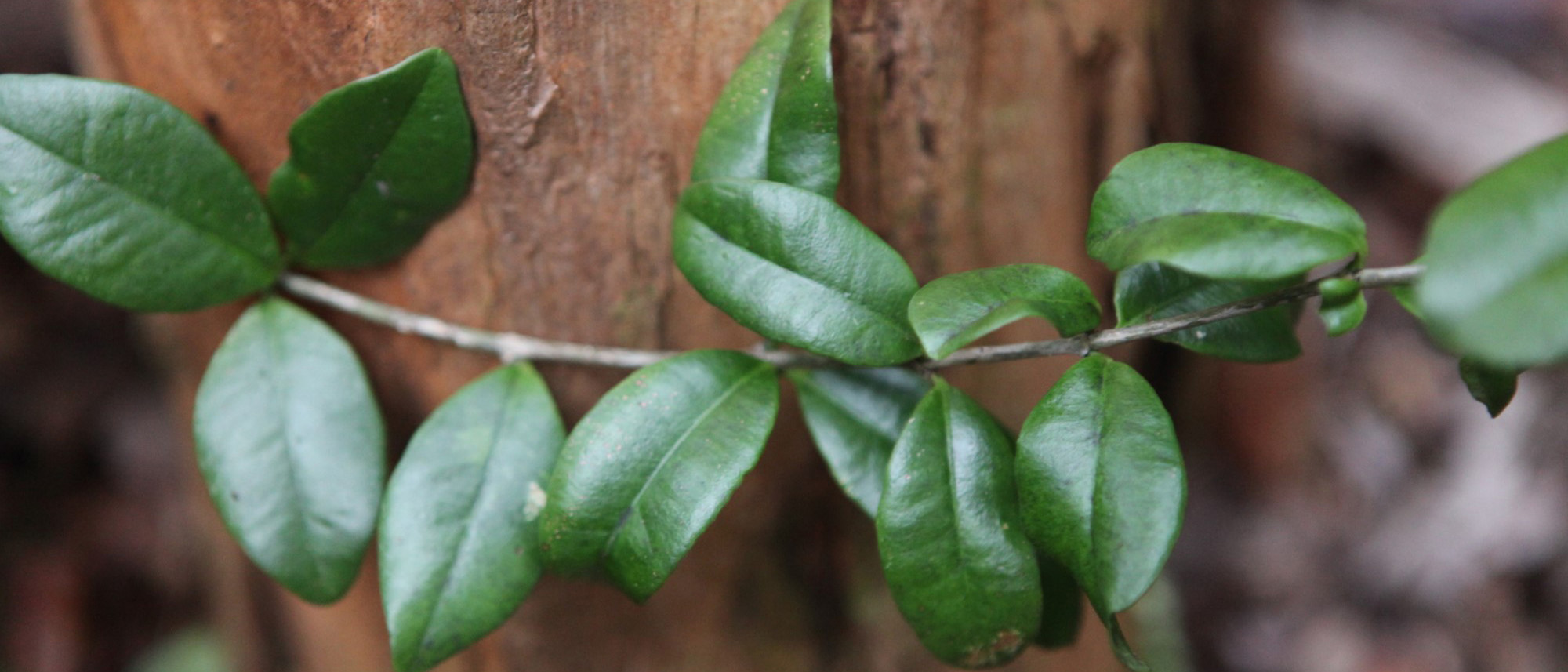
The native Maile vine, Alyxia stellata, has a subtle and pervasive scent, with bright verdant leaves and beautiful pinwheel-like small flowers of different colors. Traditional use of maile included leis for ceremonies, hula, medicine, clothing, and inclusion in tools used to catch kōlea and other birds. A long-lived plant, maile clings tightly to the upward momentum of growth and is an ecologically and morphologically diverse member of Hawaiian forests.

This program is funded and supported by the SOEST Dean’s Office.